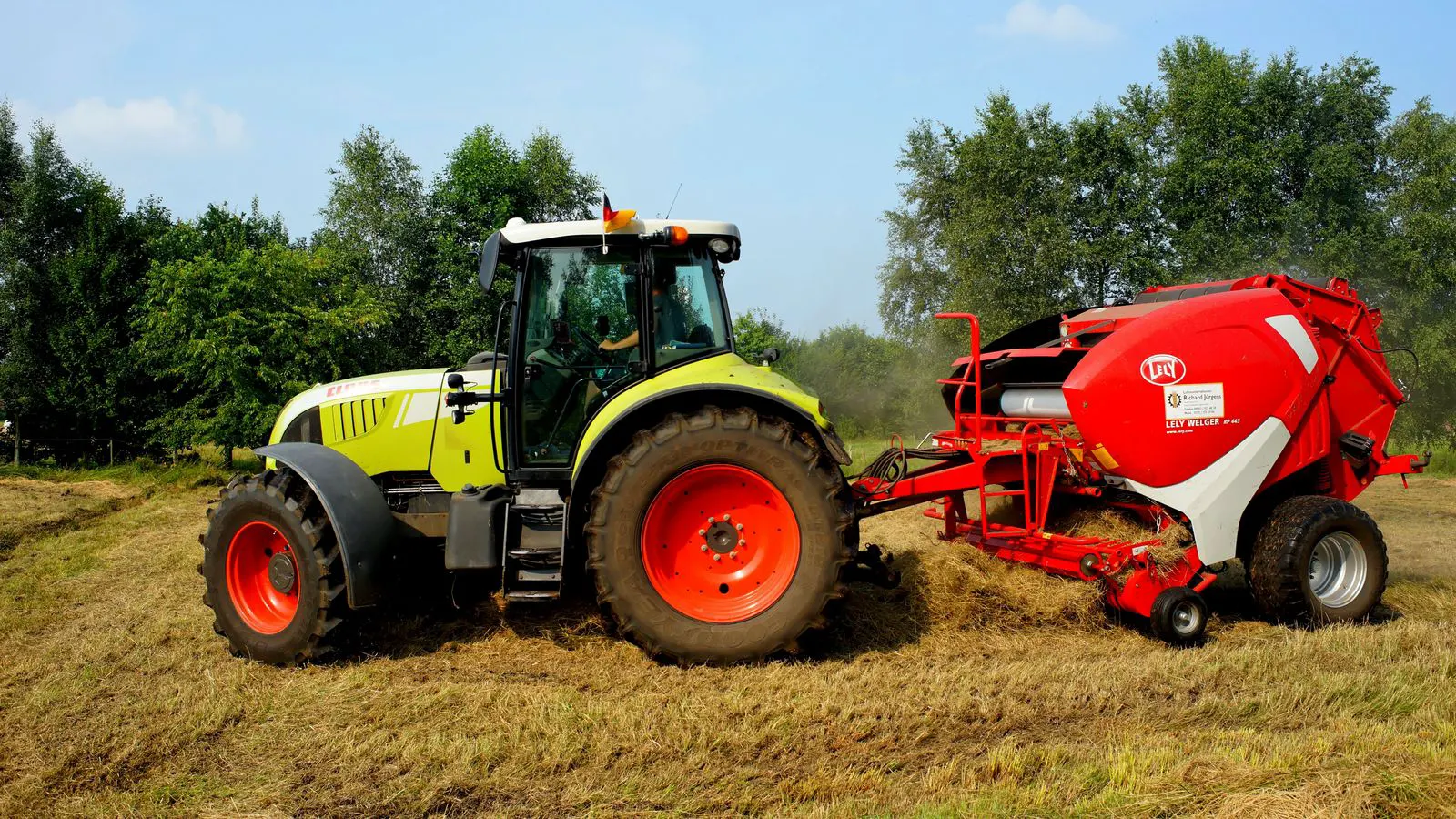
Parts & Maintenance
Tractor Hydraulic Leaks: Causes and Fixes
Tractor hydraulic leaks stem from worn seals, damaged hoses, loose fittings, or pressure relief failures. This guide covers how to identify symptoms, trace the source
Practical data for agricultural machinery purchasing decisions.
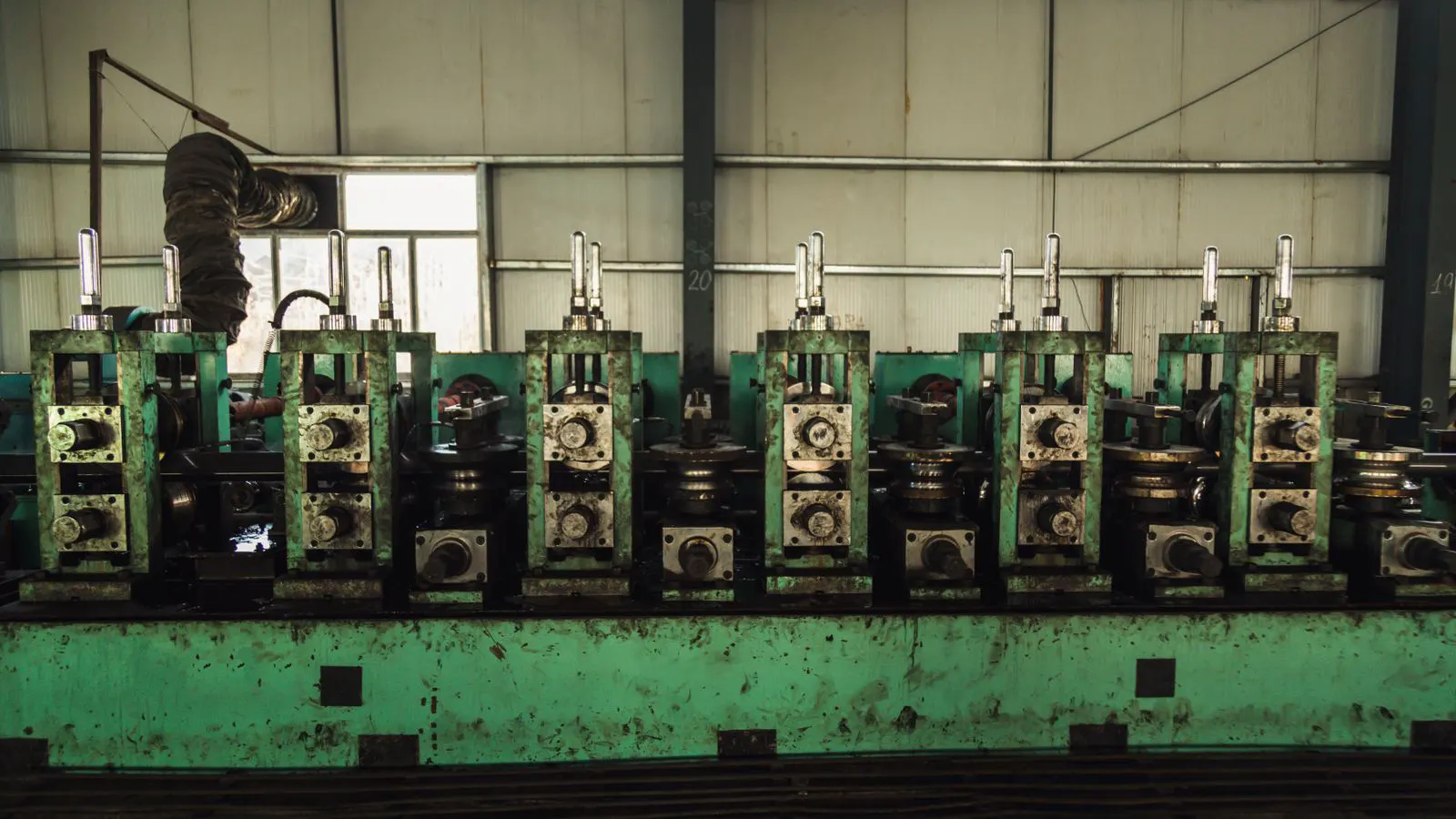
Buying machinery requires checking specs, lead times, and total cost of ownership. This site breaks those variables down for tractors, harvesters, planters, and irrigation systems. It focuses on what buyers verify during site visits and factory inspections.
Each section covers practical checks. You find details on hydraulic capacities, tire loads, seed metering, and pump efficiency. The content supports decisions based on documented data, not promotional claims.
Start with the stage of the sourcing process you are in.
Readers find practical guides on tractor selection, power ratings, PTO options, and matching models to farm workloads and conditions.
Content covers grain and forage harvesters, header types, grain tank capacity, and choosing machines suited to crop type and scale.
Guides explain planter and seeder options, row units, seed metering, and how to match planting equipment to soil and crop needs.
Readers find clear explanations of sprinkler, drip, and center pivot systems, plus guidance on matching irrigation to field size and water
Content explains common parts, routine service intervals, and how to keep machinery reliable while reducing downtime and repair costs.
Practical guidance on total cost of ownership, budgeting for machinery, and understanding financing options for agricultural equipment
Readers learn how to evaluate suppliers, compare service support, warranty terms, and local availability to reduce risk and ensure long-term
Tractor hydraulic leaks stem from worn seals, damaged hoses, loose fittings, or pressure relief failures. This guide covers how to identify symptoms, trace the source

Fixed rates lock payments but expose buyers to opportunity costs when rates fall. Variable rates start lower but carry payment volatility. The choice depends on your
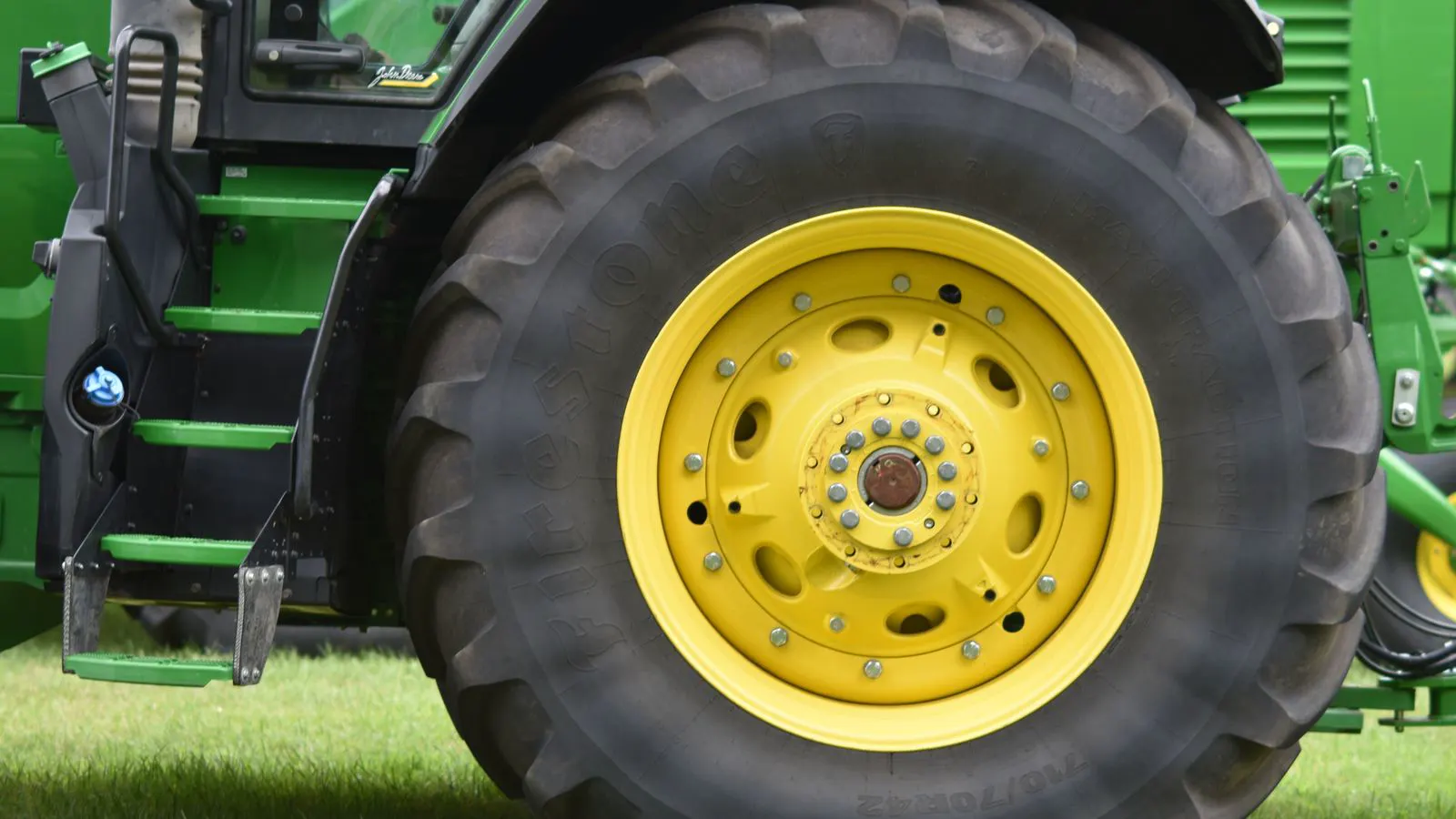
Verify tractor PTO speeds and PTO selection against the attachment manual to prevent mismatches. Check input/output shafts, speed ratings, and clutch types before
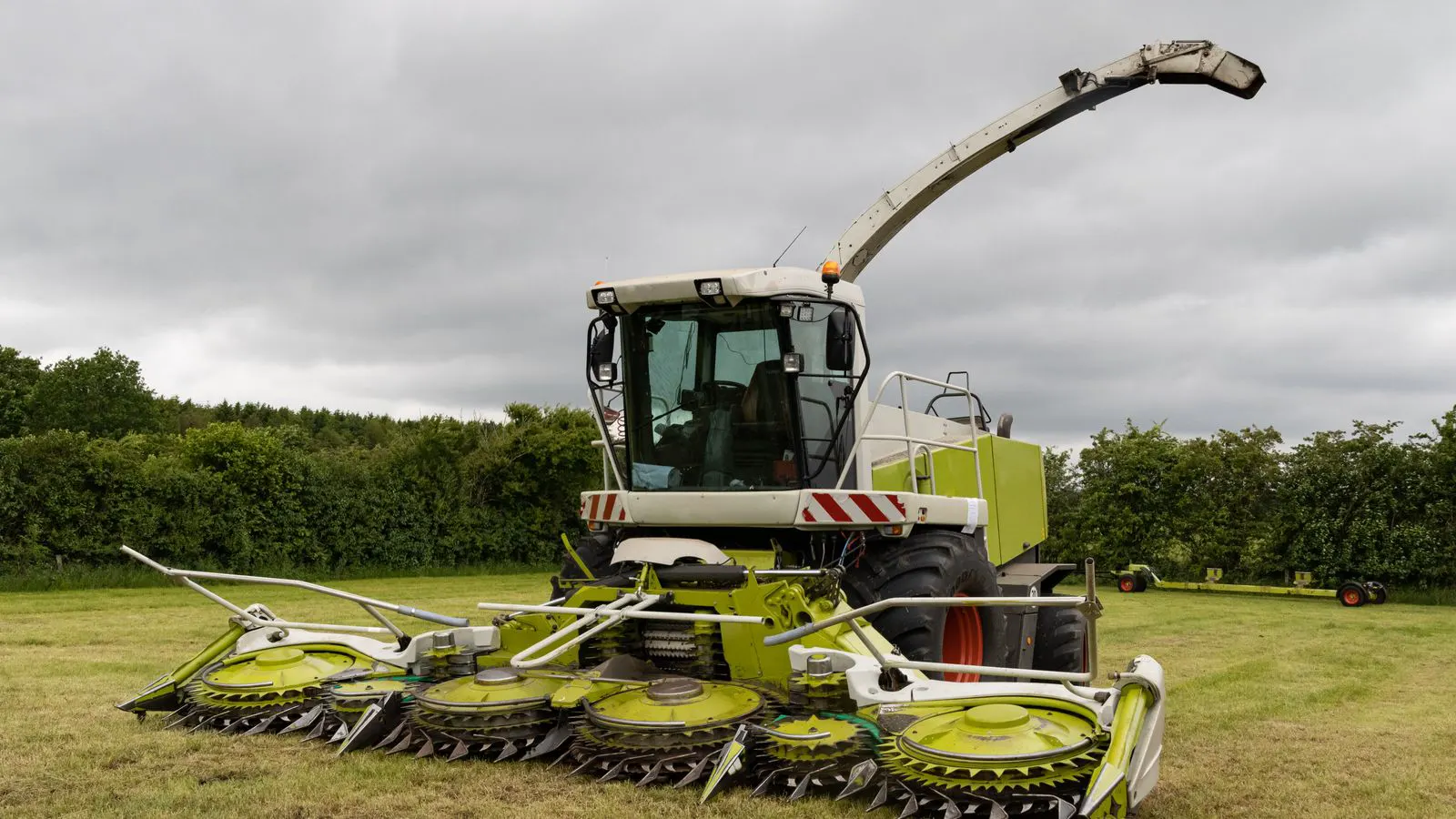
A combine handles grain crops like wheat and corn. A forage harvester chops silage, hay, and cover crops. The right choice depends on whether you need to separate grain
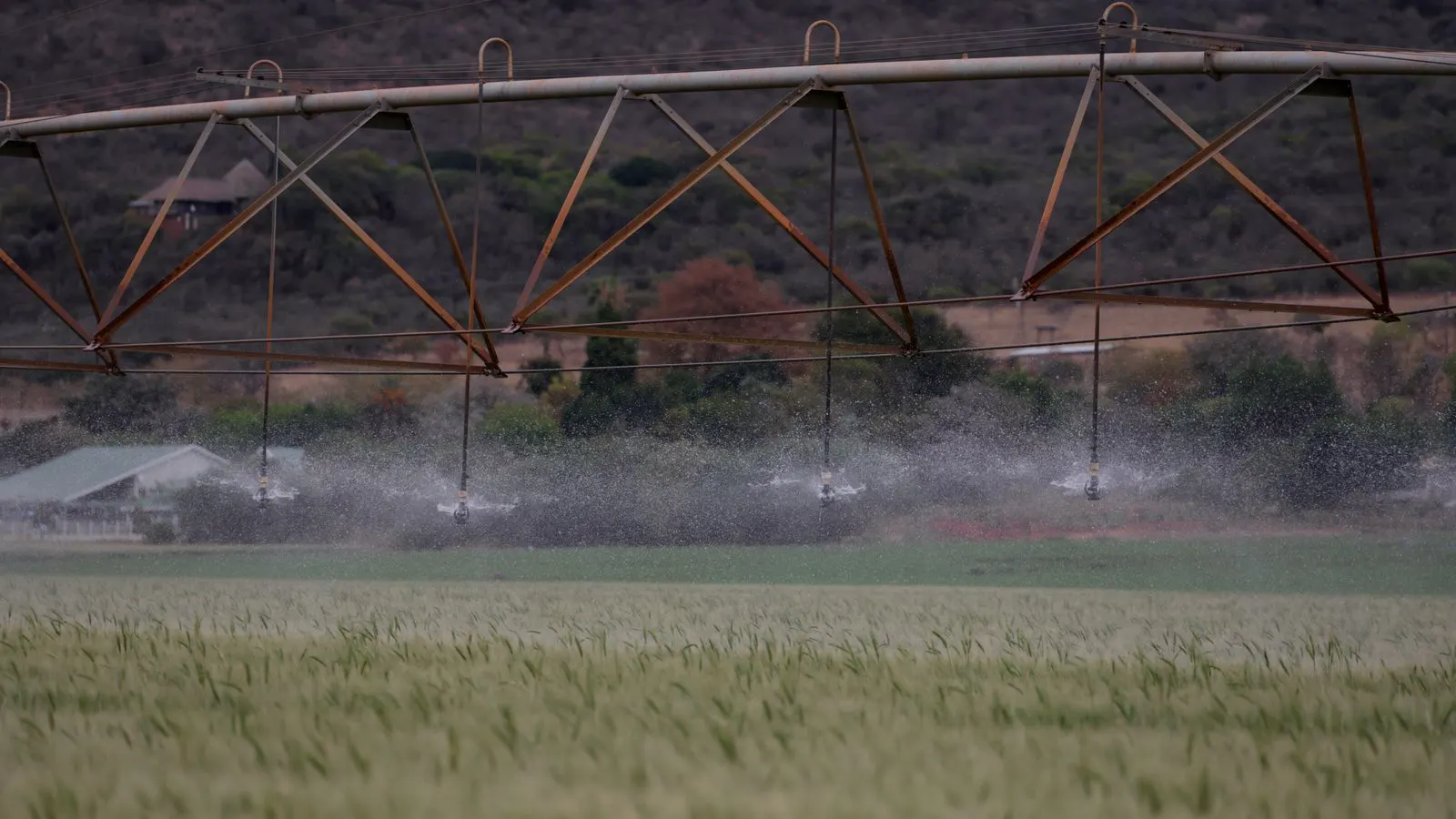
Selecting a sprinkler system for large fields requires balancing coverage, water pressure, and field conditions. This guide outlines key evaluation criteria, common
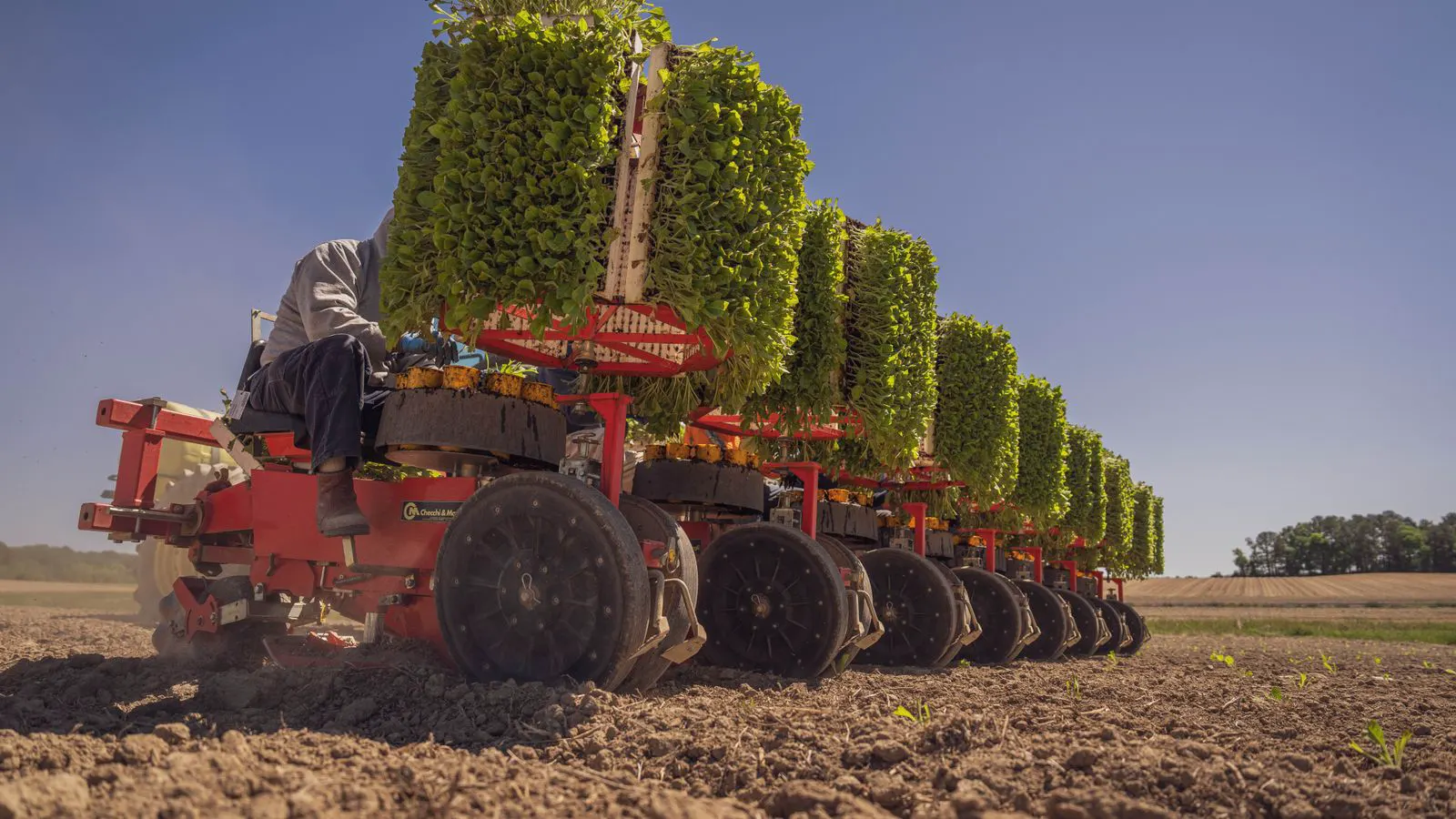
The right planter selection depends on matching row unit design to soil texture. Dense soils need high down pressure and deep openers, while loose soils require shallow
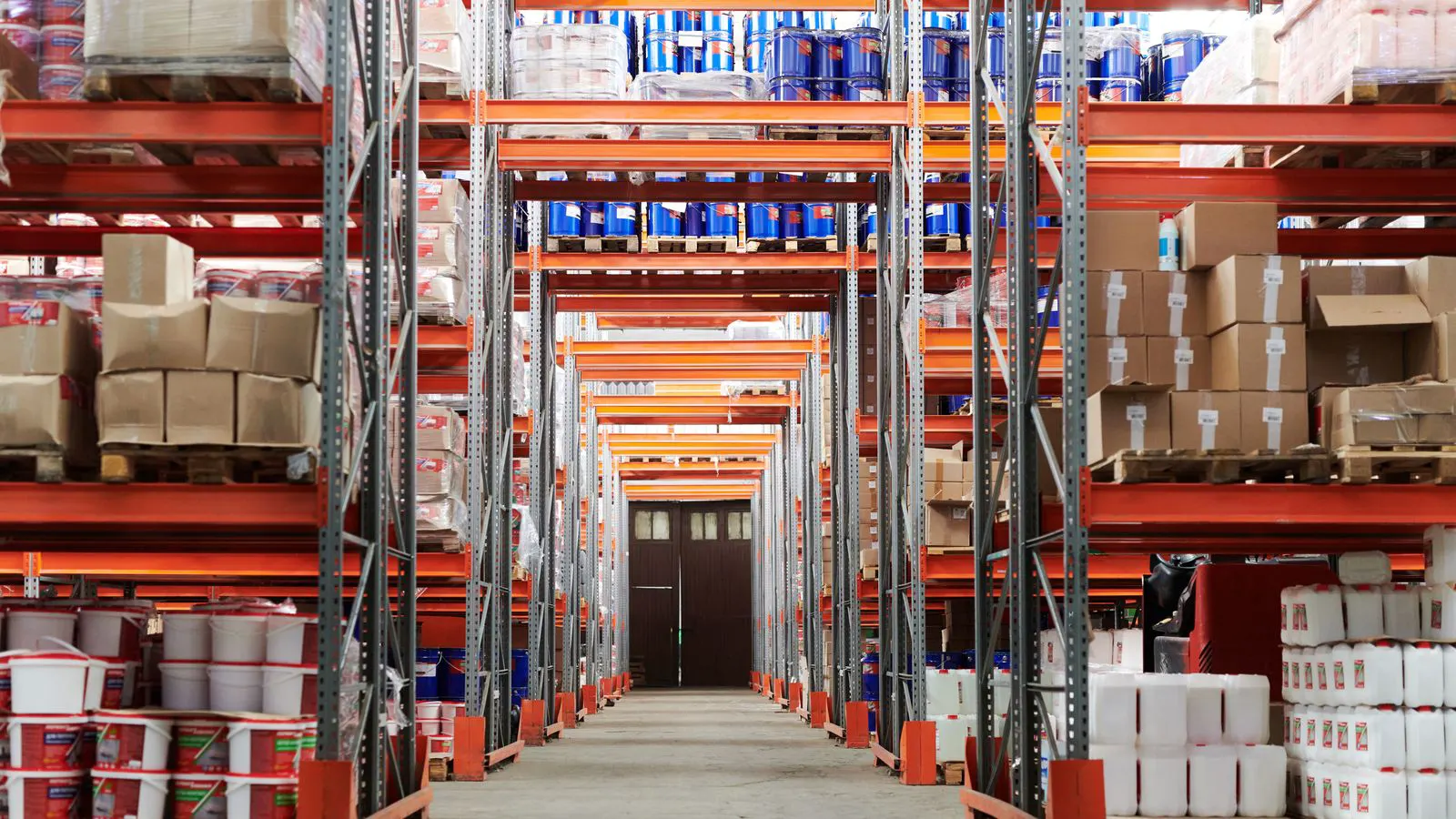
Importing tractor dealer parts requires calculating landed cost and delivery windows. Procurement teams must compare freight, duties, and supplier terms. This guide
Verify flow rate, pressure, and remote ports. Match these to the implements you plan to attach to avoid underpowered hydraulics.
Review official test reports and field data from similar soil and crop conditions. Ask suppliers for third-party validation of claimed efficiency.
Transmission gears, hydraulic pumps, and electronic control units typically carry high repair costs. Check warranty terms for these components.
Used units often offer lower entry costs but require thorough inspection. Check service history, engine hours, and structural integrity before bidding.
Request pump curves and compare them with your pressure and flow requirements. Test run times and energy usage in field conditions.
Review interest rates, lockout periods, and early buyout fees. Understand how maintenance costs affect loan payments over the asset's life.