Center pivot irrigation uses a rotating mast and lateral pipe to distribute water evenly across a circular field. Understanding its mechanics helps buyers match system size, power, and controls to their specific field geometry and crop needs.
- Center pivot irrigation uses a rotating mast and lateral pipe to distribute water evenly across a circular field.
- Field geometry and water source access directly influence system diameter, power requirements, and control choices.
- Buyers must match lateral pipe size and nozzle spacing to soil type and crop water demand to avoid runoff and stress.
- Regular inspection of hoses, bearings, and electrical connections prevents downtime and maintains even coverage.
- Pairing pivot irrigation with soil moisture sensors and automated controls improves water efficiency and reduces labor.
How the Center Pivot Irrigation System Is Built
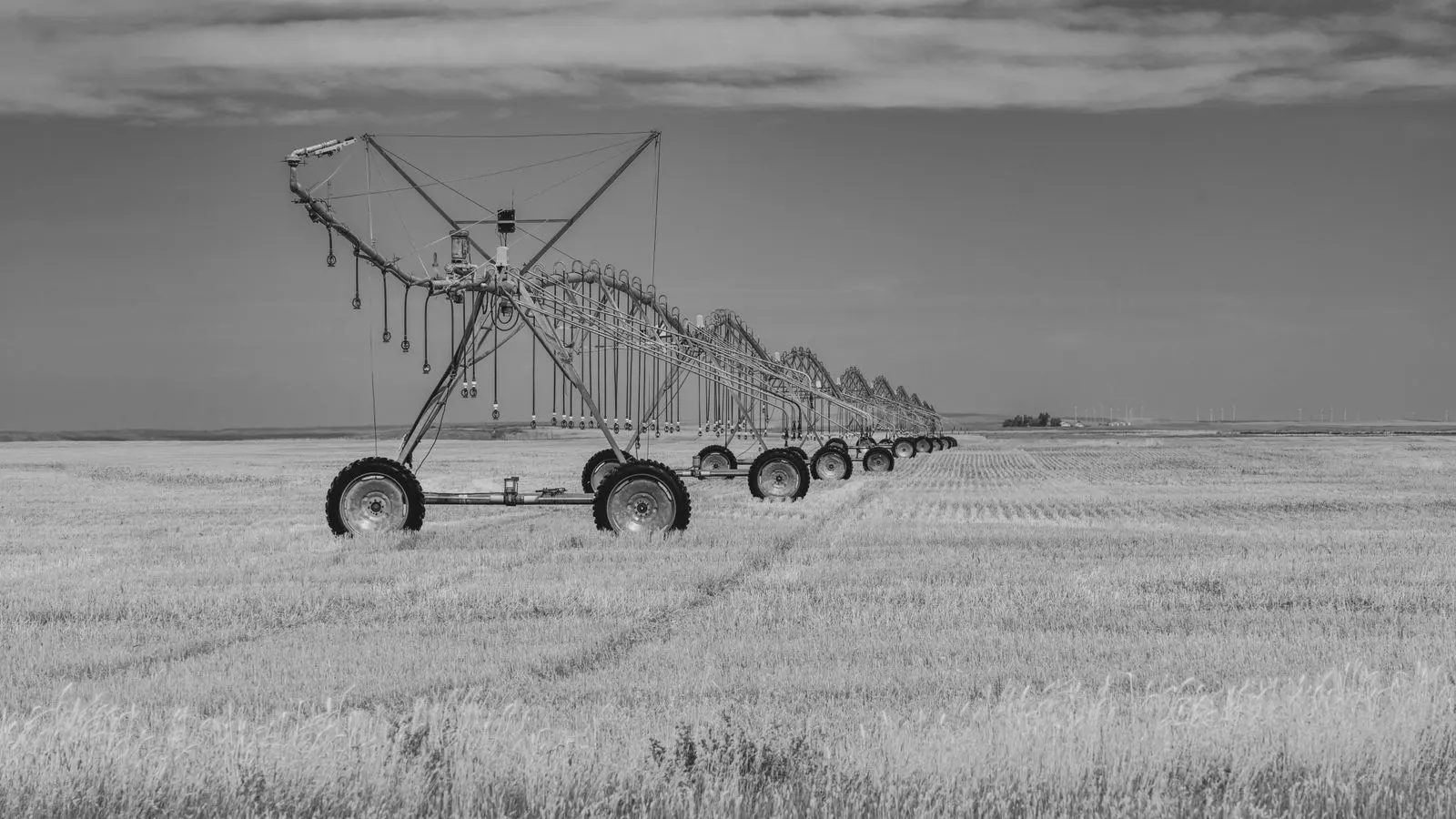
A center pivot irrigation system is a rotating assembly that moves across a field in a circular path. The core structure is a mast, which stands vertically at the center of the circle. Attached to the mast is a lateral pipe, often called the boom or truss. This lateral pipe carries nozzles or sprinklers that spray water onto the crop.
The mast supports the rotation mechanism. Bearings allow the lateral pipe to turn around the mast. The rotation is driven by a motor or engine. This power unit is usually mounted on a wheeled cart at one end of the lateral pipe. The cart moves around the circle, carrying the drive system and often the control panel.
The lateral pipe is made of multiple sections. Each section connects to the next with joints. These joints allow slight movement and help keep the pipe level even on uneven ground. The pipe diameter decreases toward the outer end. This design compensates for the larger circumference at the edge of the circle, keeping water pressure and flow rate consistent across the entire span.
What Drives the Rotation and Movement
The power source determines how the system operates. Most modern systems use an electric motor. Some use a diesel engine. The choice depends on electricity availability and field size. Electric motors are quieter and require less maintenance. Diesel engines offer more flexibility for remote fields without grid power.
The drive system moves the cart along the circle. It uses tires or tracks. Tires are common for flat, well-prepared fields. Tracks provide better traction in soft or wet soil. The speed of the cart is controlled by the operator or an automatic controller. A slower speed increases water application time. A faster speed reduces it.
The rotation rate is set by the drive system. Operators adjust this rate to match the crop water requirement. If the system moves too fast, the outer end of the lateral pipe receives less water than the center. If it moves too slow, water may pond or cause runoff. Proper calibration ensures even coverage across the circular field.
How Water Is Delivered to the Field
Water enters the system at the center through a riser or standpipe. This riser connects the water source to the lateral pipe. The source can be a well, a river, a reservoir, or a municipal supply. A pump may be used to raise the water to the required pressure.
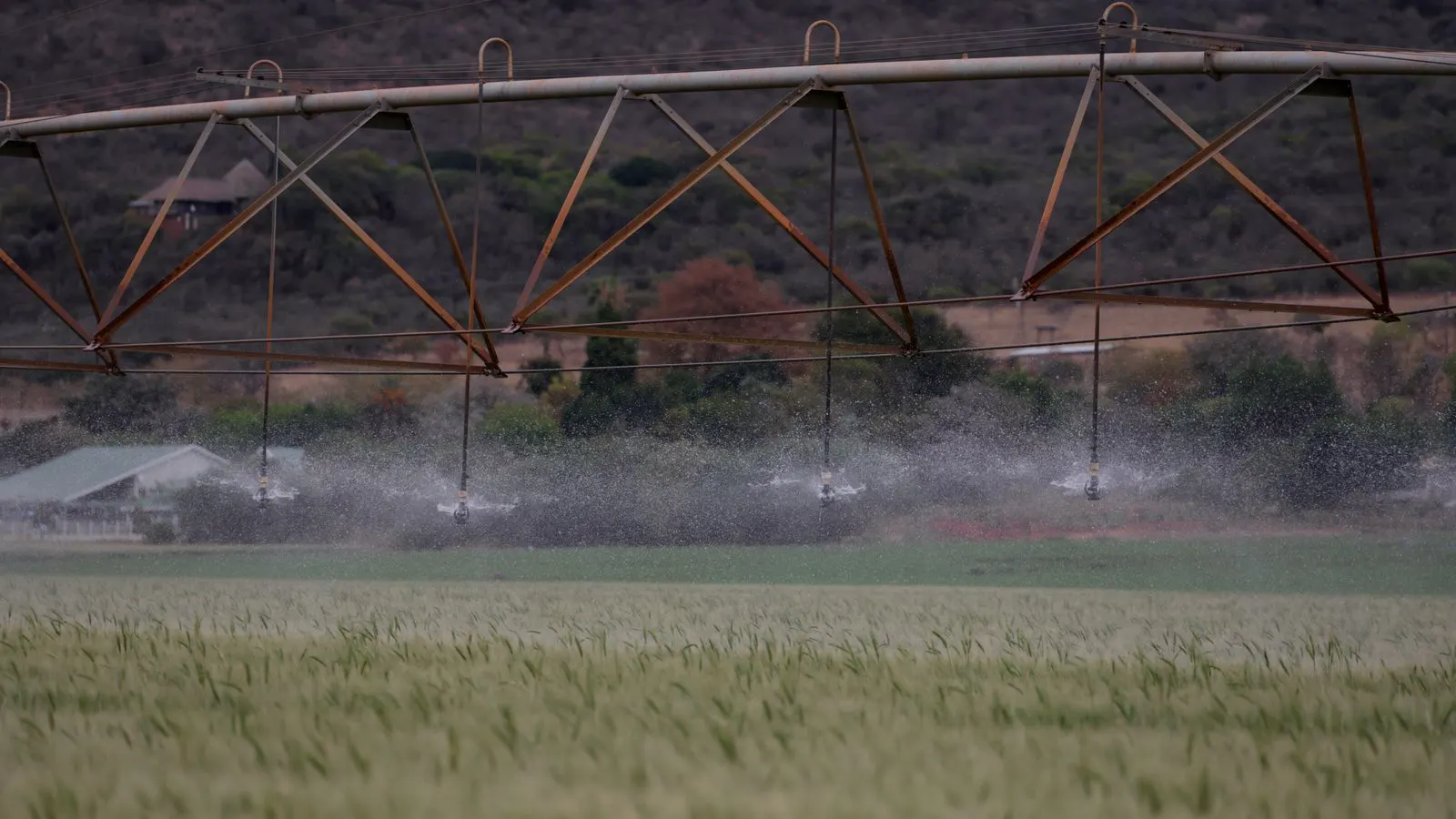
Inside the lateral pipe, water flows through the pipe and exits through nozzles. Nozzles are small fittings that spray water in a specific pattern. The type of nozzle determines the spray shape and range. Solid nozzles produce a wide arc. Impact nozzles create a rotating stream. The choice affects coverage and water usage.
Nozzle spacing is a key design factor. Nozzles are placed at regular intervals along the lateral pipe. The spacing must match the pipe diameter and the desired application rate. Too many nozzles can cause overlaps and waste. Too few can leave dry spots. Soil type also matters. Sandy soils need more frequent watering. Clay soils hold water longer and need less frequent application.
How Operators Control the System
Modern center pivot irrigation systems are operated from a control panel on the cart. The panel includes switches for power, speed, and nozzle valves. Operators can start, stop, and adjust the rotation rate from the cart. Many systems also have remote controls. These allow operators to manage the system from a distance or via a mobile app.
Automatic controllers are increasingly common. They can adjust speed based on weather data. If rain is expected, the controller may pause or slow the system. Soil moisture sensors can also trigger irrigation cycles. These sensors measure the water content in the root zone. When the soil is dry, the system activates. When it is wet, the system stops.
The control system also monitors pressure and flow. If a leak or blockage is detected, the controller can shut down the system. This prevents damage to the pipe and nozzles. Operators should check the control panel regularly. They should also inspect the hoses and electrical connections for wear.
Key Factors That Influence Sourcing Decisions
When sourcing a center pivot irrigation system, several factors drive the decision. Field shape is the first. Circular fields fit the system naturally. Rectangular fields require multiple pivots or a different layout. The distance from the water source to the field also matters. A longer riser or larger pump may be needed if the source is far away.
Soil type and crop water demand are critical. Sandy soils lose water quickly to drainage. They need more frequent, shorter irrigation cycles. Clay soils hold water but may suffer from compaction. They need less frequent, longer cycles. Crops like corn or alfalfa have different water needs than vegetables or grains. The system must match the crop requirements.
Power source and control options are the next consideration. Electric systems are cheaper to run but depend on grid access. Diesel systems cost more in fuel and maintenance but offer flexibility. Buyers should consider the total cost of ownership, not just the purchase price. This includes fuel, electricity, maintenance, and labor.
A Plain Example of System Setup
Consider a farmer with a large, circular field in a region with reliable electricity and a nearby well. The farmer chooses a center pivot irrigation system with a diameter that matches the field. The lateral pipe is made of aluminum or steel. Aluminum is lighter but less durable. Steel is heavier but lasts longer. The farmer selects a steel lateral pipe for its strength and long life.
The drive system uses an electric motor. The motor is sized to move the cart at a steady speed. The control panel is installed on the cart. The farmer sets the rotation rate based on the soil type. The field is sandy loam. The farmer sets a medium speed. Water enters the system from the well through a riser. The pump provides the needed pressure.
The nozzles are selected for even coverage. The farmer checks the nozzle spacing. It matches the pipe diameter. The system is tested before the growing season. The farmer observes the spray pattern. Adjustments are made to the nozzle settings. The system is ready for use.
Maintenance and Common Problems
Regular maintenance is required to keep the system running. The cart tires or tracks should be checked for wear. The bearings in the mast and lateral pipe joints need lubrication. The electrical connections should be inspected for corrosion. The nozzles should be cleaned regularly. Clogged nozzles cause uneven watering.
Leaks are a common problem. They can occur in the hoses, pipe joints, or riser. Leaks waste water and reduce pressure. Operators should walk the field periodically. They can spot leaks by looking for wet spots or dry areas in the crop. Repairs should be made promptly.
The drive system also needs attention. The motor and gearbox require oil changes. The fuel system, if diesel, needs filtering. The control electronics should be protected from dust and moisture. Using a cover or enclosure helps. Proper maintenance extends the life of the system and ensures reliable operation.
Choosing the Right System for Your Field
Selecting the right center pivot irrigation system requires matching the equipment to the field conditions. Field size and shape determine the diameter and power needed. Soil type and crop water demand guide the choice of pipe, nozzles, and speed. Water source access influences the pump and riser design.
Buyers should also consider control options. Manual systems are simpler and cheaper. Automatic systems offer better efficiency and labor savings. The cost difference is often offset by water savings and reduced labor over time. Buyers should evaluate the total cost of ownership.
Final Thoughts on System Selection
Center pivot irrigation is a mature technology with well-understood mechanics. The system is reliable when properly sized and maintained. Buyers should focus on matching the system to their specific field and crop needs. They should also consider the long-term costs of power, maintenance, and labor.
The choice of materials, nozzles, and controls affects performance. Steel lateral pipes last longer. Aluminum pipes are lighter. Solid nozzles cover wide areas. Impact nozzles are more efficient in some conditions. Automatic controllers save labor and improve water use.
By understanding how the system works, buyers can make informed decisions. They can avoid common mistakes like oversizing the system or ignoring soil type. A well-chosen center pivot irrigation system provides even water coverage and supports healthy crop growth.
Frequently asked questions
What is the main advantage of center pivot irrigation over other methods?
Center pivot irrigation provides even water coverage across a large circular field. It reduces labor and allows for automated operation.
Can center pivot irrigation be used on rectangular fields?
Yes, but it is less efficient. Rectangular fields require multiple pivots or a different layout to cover the entire area without gaps.
How does soil type affect the choice of nozzles?
Sandy soils need more frequent watering with smaller droplets. Clay soils can handle larger droplets and less frequent application. The nozzle type should match the soil drainage rate.
What is the typical lifespan of a center pivot irrigation system?
A well-maintained system can last 20 to 30 years. Regular inspection and repair of hoses, bearings, and electrical connections extend the life.
Do center pivot irrigation systems require a lot of electricity?
The power usage depends on the field size and pump requirements. Electric systems are generally more efficient than diesel, but the total cost should be calculated for the specific field.